What is Section 106?
July 30, 2025
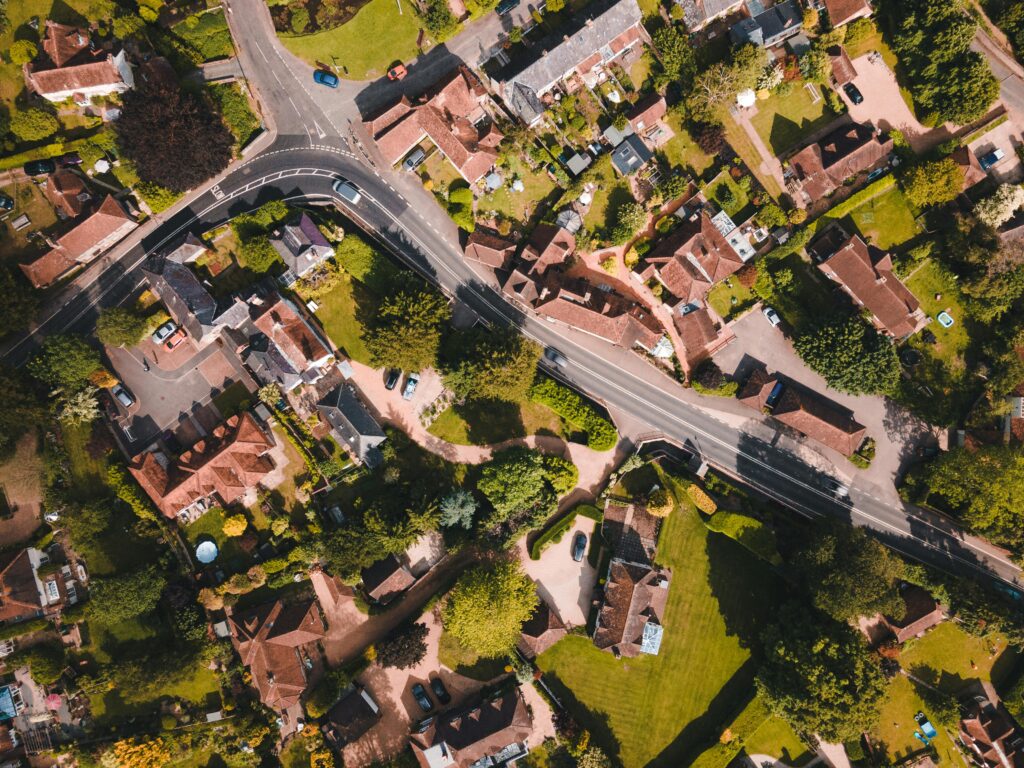
As housing demand continues to increase across the UK, Section 106 has become an important part of delivering affordable and supported housing. However, many people are still unaware of what Section 106 is and how it benefits local communities.
Section 106, often referred to as S106, is a legal agreement between property developers and local councils in England and Wales. These agreements require developers to contribute towards local needs when building new housing developments. These contributions can help fund affordable housing, schools, healthcare facilities, transport improvements, and other community infrastructure. In simple terms, Section 106 helps ensure that new developments support local communities as well as private homeowners.
A significant number of affordable homes delivered through Section 106 agreements are provided to housing associations, local authorities, and supported living providers. These organisations help people who may struggle to access suitable housing through the private rental market. This includes individuals experiencing homelessness, mental health challenges, learning disabilities, substance misuse recovery, domestic abuse recovery, and young people leaving care. Supported housing also helps ex-offenders rebuild independent and stable lives within their communities.
The need for affordable housing continues to grow. By the end of 2025, more than 134,000 households were living in temporary accommodation across England. At the same time, over 1.34 million households were waiting for social housing, highlighting the urgent demand for affordable homes. As pressure on housing services increases, Section 106 continues to play a vital role in delivering new affordable and supported housing across the country. The Government has described these agreements as a key mechanism for increasing the supply of social and affordable homes. Although the system faces challenges, including delays in delivering some approved affordable housing schemes, Section 106 remains one of the UK’s most effective tools for creating sustainable communities and improving access to housing.